
Reinforced concrete is the workhorse of Ugandan construction. Almost every multi-storey building in Kampala, Jinja, Mukono and Wakiso uses an RC frame. It is forgiving when it is done right, and unforgiving when it is not. The trouble is that most of the steps that determine whether the concrete works are invisible once the wall is plastered.
This piece is for clients who want to know what to ask their engineer or contractor — and for newer engineers who want a short, ground-truth checklist.
Specify the grade, then test it
Concrete strength is rated by C-number — C20, C25, C30, etc. — which is the characteristic compressive strength in N/mm² at 28 days. Residential floor slabs are typically C25; columns supporting multiple storeys are usually C30 or higher. The structural engineer should specify the grade on the drawing.
Specifying it is not enough. It has to be tested. Every concrete pour should have cube samples taken — three cubes per 100m³ minimum — and tested at 7 days (you want about 70% of the design strength) and 28 days (you want 100%+). Cubes are cast on site in standard 150mm steel moulds, cured properly, and crushed at a registered laboratory.
Curing is where most cracks come from
Concrete does not "dry" — it cures. The cement reacts chemically with water for at least 28 days, and the reaction needs water to continue. In the Ugandan sun, an uncured slab loses surface moisture within hours and shrinks. Surface shrinkage cracks appear within days. Strength drops below the design grade. The fix is curing.
- Slabs: covered with damp hessian or wet sand for at least 7 days, kept consistently wet.
- Columns and walls: covered with damp sacking or wet plastic for at least 7 days.
- Curing should not stop after 7 days for important elements — water-spray for the full 28 days if practical.
- Curing compound (a chemical sprayed onto the surface to seal moisture in) is acceptable on slabs where wet-curing is impractical, but specify the brand.
The five mistakes that crack walls
- Adding water to the mix on site to make it easier to pour. This drops the strength by 20–40% with each extra litre per m³.
- Pouring on a hot afternoon without sun-shading the formwork.
- Removing formwork too early. Beams and slabs typically need 14–21 days before formwork comes off, not 7.
- Mixing cement and sand in a wheelbarrow with a shovel. A proper mixer is non-negotiable above 5m³ of concrete per day.
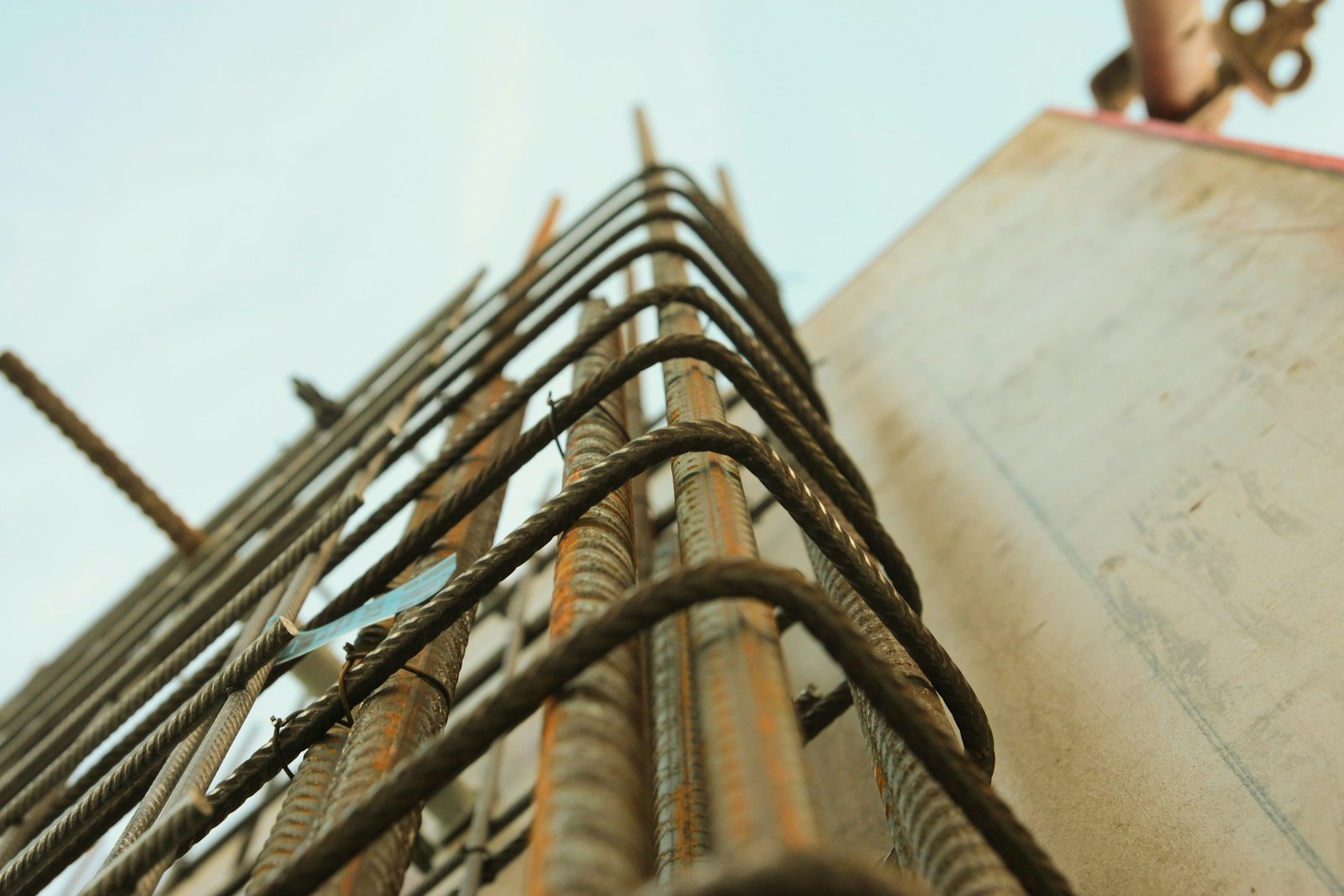
- Reinforcement laid on the bare formwork (no spacer blocks). The bars end up too close to the surface, lose their concrete cover, and rust within years.
What clients should ask their contractor
- Show me your last three concrete cube test results — by project.
- What grade are you pouring for my slabs, columns and beams?
- How are you curing the slab — and for how many days?
- What is your batching ratio? (1:2:4 by volume is a common residential ratio for C20; C25+ usually needs a batched mix by weight.)
- Will you remove formwork at 7 days? (If yes, push back to 14.)
Concrete done properly disappears into the building and lasts decades. Concrete done badly tells you within months. Insist on the testing, insist on the curing, insist on the cubes. It costs almost nothing to do, and almost everything to undo.